Transform Your Evenings: The Enchantment of Outdoor Lighting
Florence, United States – February 4, 2025 / ILD Innovative Landscape Design /
When the sun sets, your home and garden don’t have to disappear into the darkness. With the right landscape lighting, your outdoor spaces can transform into a beautifully illuminated haven that enhances security, creates ambiance, and adds curb appeal. Whether you’re looking to highlight architectural features, light up pathways, or create a cozy backyard retreat, landscape lighting offers endless possibilities. Let’s explore the magic of landscape lighting and how it can completely change the way you experience your outdoor spaces at night.
The Importance of Landscape Lighting
Landscape lighting is more than just a way to illuminate your yard; it serves multiple purposes that can greatly enhance your home. A well-lit exterior improves safety by preventing trips and falls, deters intruders, and creates a warm and inviting atmosphere. Whether for aesthetics, functionality, or security, outdoor lighting plays a crucial role in making your home feel more comfortable and complete.
One of the most compelling reasons to invest in landscape lighting is the increased usability of your outdoor areas. Without proper lighting, your deck, patio, garden, or pool area may become unusable after sunset. With the right setup, you can host late-night gatherings, enjoy a quiet evening outside, or simply appreciate the beauty of your well-maintained garden even after dark.
Types of Landscape Lighting
There are several types of landscape lighting, each serving a unique purpose. Understanding the options available will help you design a lighting plan that meets your needs.
Pathway Lighting
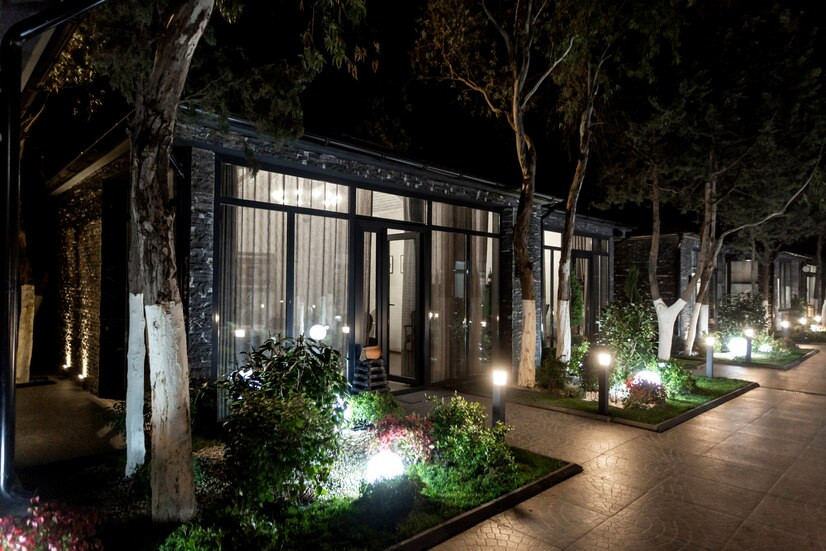
Pathway lighting is designed to guide people safely along walkways, driveways, and garden paths. These lights are typically low to the ground and offer a soft glow that prevents harsh glares while ensuring visibility. They not only add charm but also reduce the risk of stumbling in the dark.
Accent Lighting
Accent lights are used to highlight specific features in your landscape, such as trees, statues, water fountains, or architectural details. This type of lighting creates depth and drama, bringing attention to the most beautiful aspects of your outdoor space.
Deck and Patio Lighting
Deck and patio lighting enhances outdoor living spaces by making them functional and inviting at night. From recessed lights in decking to wall sconces and string lights, these fixtures can create a relaxing and enjoyable environment.
Spotlights and Floodlights
If security is a concern, spotlights and floodlights are excellent choices. These powerful lights illuminate large areas, making it difficult for intruders to approach unnoticed. They are commonly used near entryways, garages, and dark corners of the yard.
Underwater and Pool Lighting
For homes with water features like pools, ponds, or fountains, underwater lighting adds a mesmerizing effect. Not only does it enhance safety by preventing accidents, but it also gives your water features a magical glow that makes them stand out at night.
Choosing the Right Lighting Fixtures
Selecting the right fixtures is essential to achieving the desired look and functionality of your landscape lighting. When choosing lights, consider factors such as brightness, durability, and energy efficiency.
LED lights have become the preferred choice for many homeowners due to their long lifespan and energy efficiency. Compared to traditional incandescent bulbs, LEDs consume less power and last significantly longer, making them a cost-effective solution in the long run. Additionally, solar-powered lights are an eco-friendly option that eliminates the need for wiring and electricity.
Material selection is also important. Outdoor lights should be made from weather-resistant materials such as stainless steel, brass, or heavy-duty plastic to withstand various weather conditions.
Designing a Stunning Landscape Lighting Plan
A well-thought-out lighting plan is key to achieving a visually appealing and functional outdoor space. Here are some essential design principles to keep in mind:
Balance and Symmetry
Avoid over-lighting or placing fixtures too close together, as this can create an unappealing and harsh look. Instead, aim for a balanced and natural effect by strategically placing lights where they will have the most impact.
Layering Light
Layering involves combining different types of lighting to create depth and dimension. For example, you can use pathway lights for navigation, accent lights for focal points, and ambient lighting for general illumination. This creates a cohesive and visually pleasing outdoor environment.
Highlighting Key Features
Think about what aspects of your landscape you want to emphasize. Do you have a beautiful tree, an intricate garden, or an elegant fountain? Use spotlights or uplights to showcase these features and create a striking nighttime view.
Soft and Subtle Lighting
Harsh lighting can ruin the ambiance and make your outdoor space feel uninviting. Opt for warm white or soft yellow lighting to create a cozy and welcoming glow. Avoid overly bright lights unless they are needed for security purposes.
Installation Tips for DIY Enthusiasts
If you’re considering installing landscape lighting on your own, here are some helpful tips:
- Plan your layout: Sketch a rough design of where you want to place the lights before purchasing anything.
- Use low-voltage lighting: Low-voltage systems are safer and easier to install compared to standard electrical lighting.
- Start small: Begin with a few key lights and add more over time if needed.
- Test before finalizing: Temporarily set up your lights and test how they look at night before making permanent installations.
- Bury wires properly: If using wired lights, bury the cables at least 6 inches deep to prevent tripping hazards and damage.
While DIY installation is possible, hiring a professional may be the best option if you want a flawless and professionally designed lighting system.
Maintaining Your Landscape Lighting
Proper maintenance ensures that your lighting system remains functional and attractive for years to come. Here are some maintenance tips:
- Clean fixtures regularly to remove dirt, debris, and water stains.
- Check for damaged bulbs or wiring and replace them as needed.
- Trim plants around lights to prevent obstruction.
- Adjust fixtures if they have shifted due to weather conditions or ground movement.
Final Thoughts
Landscape lighting is a game-changer when it comes to enhancing the beauty and functionality of your outdoor spaces. Whether you want to create a romantic garden setting, improve safety, or highlight stunning features, the right lighting can make all the difference. By carefully selecting and positioning your lights, you can enjoy a well-lit, inviting, and secure outdoor environment year-round.
Frequently Asked Questions (FAQs)
1. Is landscape lighting expensive to install?
The cost varies depending on the type of lights, the number of fixtures, and whether you hire a professional. DIY installation with solar or low-voltage lights can be budget-friendly, while high-end wired systems may require a larger investment.
2. How long do LED landscape lights last?
LED bulbs can last anywhere from 25,000 to 50,000 hours, which is significantly longer than traditional incandescent bulbs. This makes them an energy-efficient and long-lasting choice for outdoor lighting.
3. Can I install landscape lighting myself?
Yes! Many homeowners opt for DIY installation using low-voltage or solar lights. However, for complex wired systems, hiring a professional ensures a safer and more polished result.
4. What color temperature is best for outdoor lighting?
Warm white (2700K-3000K) is the most popular choice as it creates a cozy and inviting glow. Cooler tones (4000K and above) can be used for security lighting or modern aesthetics.
5. Does landscape lighting increase home value?
Absolutely! Well-designed outdoor lighting enhances curb appeal, increases security, and improves the usability of your yard, making your property more attractive to potential buyers.

Contact Information:
ILD Innovative Landscape Design
2027 Rosedale St.
Florence, SC 29501
United States
Scott Brokaw
(843) 230-1036
http://www.ildsc.com/


Original Source: https://ildsc.com/media-room/#/media-room


