
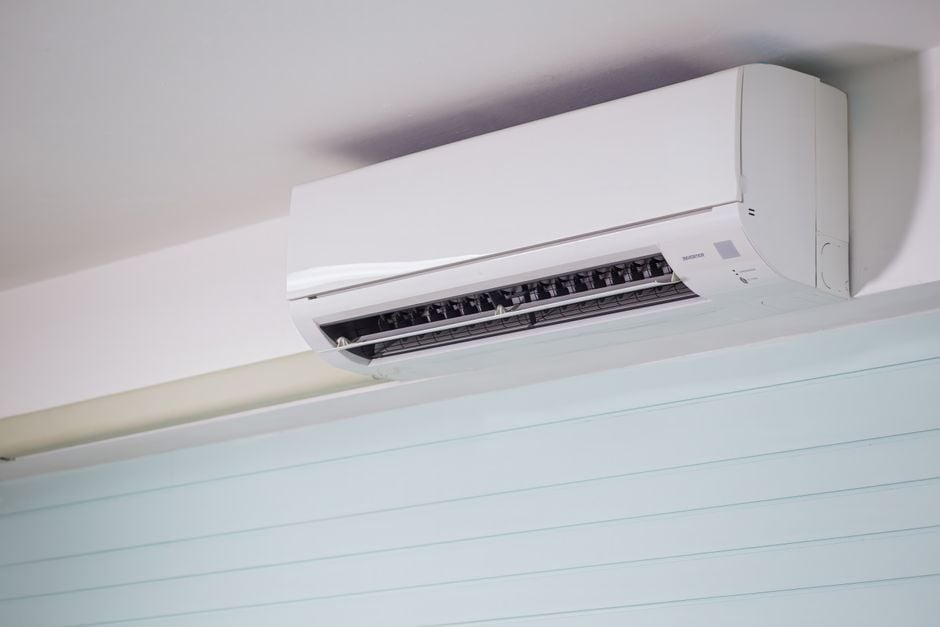
When an air conditioning system starts underperforming, most homeowners are unsure what actually happens once a technician arrives. A diagnostic visit is often treated as a mysterious first step before repair, when in reality it follows a fairly consistent process designed to identify the exact cause of a problem. Understanding this process can help homeowners know what to expect before any repair work begins.
Understanding the Purpose of a Diagnostic Visit
An air conditioning diagnostic is the process technicians use to identify why a cooling system is underperforming or has failed altogether. Rather than replacing parts based on guesswork, a proper diagnostic examines the system as a whole to pinpoint the actual source of the problem. This distinction matters, since a misdiagnosed issue often leads to repeat service calls, wasted expense, and continued discomfort in Texas heat.
For residents of The Woodlands, where cooling systems run for extended periods throughout much of the year, understanding what happens during a diagnostic visit helps set realistic expectations before a technician arrives.
What Technicians Typically Check
A thorough AC diagnostic usually covers several core components. Technicians commonly begin with electrical components and controls, checking wiring, capacitors, and connections for wear, corrosion, or failure, since electrical issues are a frequent cause of systems that fail to turn on or shut off unexpectedly.
Experts from Happy Air, The Woodlands, TX, explain that refrigerant levels and connections are also assessed, since low refrigerant or a leak in the line set can prevent effective cooling even when other components function normally. Technicians typically measure pressures and inspect connection points for signs of leakage.
The evaporator and condenser coils receive attention as well, since dirt, debris, or corrosion on these coils reduces heat transfer efficiency and can cause a system to struggle under otherwise normal conditions. A visual inspection combined with performance readings usually determines whether coil cleaning or repair is warranted.
Finally, technicians assess compressors and motors, which circulate refrigerant and move air through the system. Since these components handle continuous mechanical stress, unusual noises, vibration, or inconsistent operation often point technicians toward this part of the inspection.
Warning Signs That Prompt a Diagnostic Visit
Homeowners are often uncertain about when a diagnostic is actually necessary. Warm air from vents, or noticeably uneven cooling between rooms, often signals a developing mechanical or airflow issue. Reduced airflow, even when the system appears to run normally, can point to a blockage, motor issue, or ductwork problem.
Unusual operating noises, including grinding, squealing, or rattling, frequently indicate a mechanical component under strain. Visible leaks around the indoor or outdoor unit, along with a sudden or unexplained rise in energy bills, are additional signals that efficiency has declined and closer inspection is warranted.
Addressing these signs early, rather than waiting for a complete system failure, tends to reduce repair costs and the likelihood of an emergency during periods of extreme heat.
How Long a Diagnostic Typically Takes
The length of a diagnostic visit varies depending on the complexity of the issue and the age of the system, but most inspections are completed within one to two hours. Straightforward issues, such as a failed capacitor or a clogged air filter, are often identified quickly once testing begins. More complex problems, particularly refrigerant leaks or electrical faults that are not immediately visible, may require additional time to trace accurately.
Technicians generally document their findings and explain what they discovered before recommending next steps, giving homeowners a clear picture of the system’s condition and the options available for repair.
What Happens After the Diagnostic
Once a diagnostic is complete, the findings determine what repair work, if any, is necessary. In some cases, particularly with older or severely damaged systems, AC replacement may be more practical and cost-effective than continued repairs. Technicians who prioritize accurate diagnostics over quick fixes are generally able to address the root cause of a problem and recommend the most appropriate solution for the homeowner.
Happy Air Heating & Air Conditioning
happyairhouston@hotmail.com
+1 281 330 2484
8919 Carraway Ln
Magnolia
Texas
77354
United States


