
Key Takeaways
- Synthetic sealants, ceramic coatings, and paint protection film all last longer than traditional carnauba wax, which typically needs reapplying every few months
- Ceramic coatings form a semi-permanent bond that can defend paint for several years, while quality paint protection film can last 5-10 years with proper care, with some premium films lasting up to 12 years
- Paint should be washed, clay-barred, and polished before any protective product goes on, since trapping dirt underneath defeats the purpose
- Choosing between a DIY kit and professional application comes down to budget, how long the protection needs to last, and how much prep work someone is willing to do
Wax Is No Longer Enough
Wax has a long history in car care, and for good reason: it is easy to find, simple to apply, and gives paint a familiar warm glow. The problem is durability. A fresh coat of wax typically holds up for a matter of weeks before UV exposure, rain, and automatic car washes start breaking it down, which means constant reapplication just to maintain a baseline level of protection.
Enthusiasts who want their paint to look sharp for the long haul have shifted toward products built on more advanced chemistry. Synthetic sealants, ceramic coatings, and paint protection film, while addressing the same core weakness in wax: a short service life that demands frequent, repetitive work, still have their own shortfalls, notes car care expert Matt Willer, founder of Willer Time. Understanding the real differences between these options, and what pitfalls to avoid, makes the difference between paint that looks tired in six months and paint that still turns heads years later.
Why Traditional Wax Falls Short
Carnauba’s Warm Shine, Short Lifespan
Carnauba wax is prized for a reason. It produces a deep, warm, “wet” gloss that owners of vintage cars and dark-colored paint especially love, since it highlights the richness of the color in a way few products match. That shine, however, comes at a cost.
Carnauba wax typically lasts between 4 to 8 weeks under normal conditions, and often far less depending on weather and wash frequency. Synthetic sealants generally hold up longer while producing a glassier, more modern finish. For anyone building a long-term protection strategy, that durability gap is hard to ignore.
What UV Rays And Grime Do Over Time
Paint damage rarely happens all at once. It builds slowly through constant exposure to ultraviolet rays, which fade and oxidize clear coat over time, along with everyday contaminants like tree sap, bird droppings, and industrial fallout that land on the surface and start etching in if left alone. Bird droppings in particular are acidic enough to damage clear coat quickly when baked on by the sun.
A worn-down layer of wax offers little resistance against this kind of cumulative wear. Once the protective layer breaks down, paint is exposed directly to UV rays and airborne grime, which is exactly when fading, dullness, and surface roughness start to show.
The Modern Alternatives Enthusiasts Trust
Synthetic Sealants: Longer-Lasting, Glassier Finish
Synthetic sealants are polymer-based products that bond to paint and resist environmental contaminants, UV rays, and oxidation in a way natural wax cannot match. They tend to produce a glassier, more reflective look compared to the warm glow of carnauba, which some enthusiasts prefer for modern paint colors and finishes.
Application is similar to traditional wax, making sealants a comfortable entry point for drivers moving away from carnauba for the first time. Sealants last longer than wax, yet they still fall short of the multi-year protection that ceramic coatings and paint protection film can deliver.
Ceramic Coatings: Semi-Permanent, High-Gloss Defense
Ceramic coatings are liquid polymers that form a semi-permanent chemical bond with the clear coat, creating a hydrophobic, high-gloss surface that sheds water and grime with ease. That hydrophobic behavior makes routine washing simpler too, since dirt and water struggle to cling to the surface in the first place.
Beyond the shine, ceramic coatings provide strong defense against the sun’s ultraviolet rays, which helps preserve a car’s original paint color instead of letting it fade year after year. They also resist chemical stains and environmental fallout like bird droppings, tree sap, and insect debris, forming a barrier that keeps those contaminants from ever touching the paint directly.
A well-maintained car with a quality ceramic coating can also support a stronger resale value, since buyers notice paint that still looks fresh. Coverage does not have to stop at the body panels, either; wheels, calipers, and black trim can all be coated to guard against brake dust, heat, and corrosion.
Paint Protection Film: The Physical Shield
Paint protection film, often called PPF, takes a different approach. Instead of a chemical layer, it is a clear, thick film made from thermoplastic urethane that acts as a physical barrier against stone chips, deep scratches, and road debris. It is typically applied to high-impact areas like the hood, bumper, and mirrors, though full-vehicle coverage is an option for owners who want maximum protection.
Many premium PPF products include self-healing properties, where light surface scratches gradually disappear on their own or with a bit of heat from the sun or warm water. Quality PPF can last 5-10 years, with some premium films lasting up to 12 years. For enthusiasts who want both impact resistance and chemical protection, pairing PPF with a ceramic coating lets each product cover the other’s weak spot, since PPF handles physical impact while ceramic coating resists chemical damage and UV degradation. Detail Sprays for Everyday Paint Maintenance
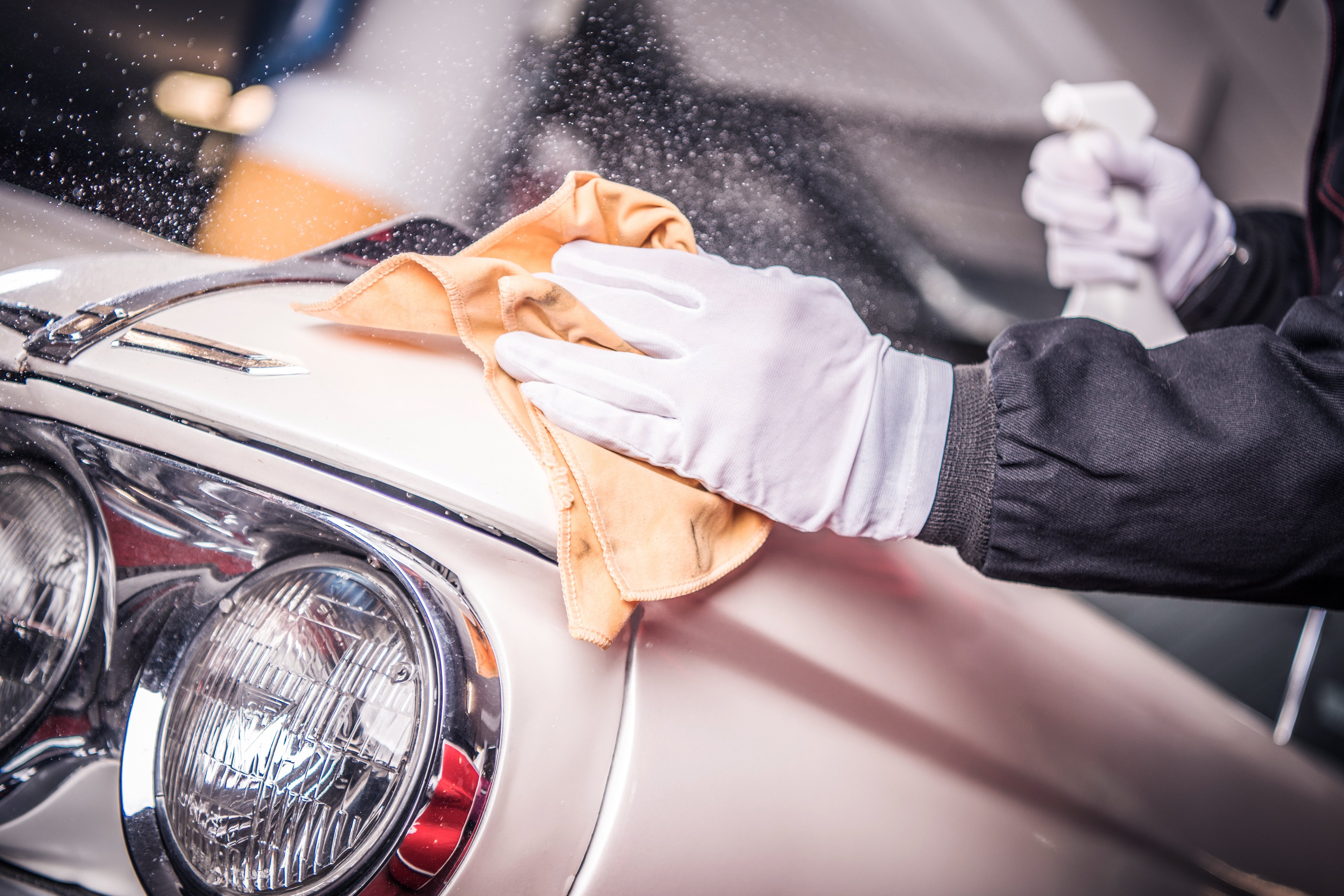
Between full detailing sessions, a detail spray can help maintain a car’s appearance by removing light surface dirt and supporting water beading. Products such as Willer Time’s All Jack detail spray offer an option for routine upkeep of tires, rims, and clear coat, helping water and dirt release more easily during subsequent washes. While detail sprays can complement an existing paint protection routine, they are not a substitute for the longer-term protection provided by ceramic coatings or paint protection film.
What To Watch Out For
Not every protection product delivers what it promises, and the application method matters just as much as the product itself. A few common pitfalls can turn a promising upgrade into a wasted afternoon or a disappointing finish.
Professional Application Vs. DIY Kits
Ceramic coating application demands precision, since proper bonding determines how well the coating performs and how long it lasts. Professional ceramic coating services vary in price depending on the shop and the amount of paint correction and decontamination work the car needs before the coating ever touches the surface.
DIY ceramic coating kits cost considerably less, generally landing between $50 and $300, but they typically only last 1 to 2 years compared to 3 to 7+ years for a professional application. PPF follows a similar pattern: it is technically possible to install at home, but achieving a bubble-free, flawless result is difficult enough that most enthusiasts leave it to professionals. Anyone weighing either service should set the upfront savings of a DIY kit against the shorter lifespan that usually comes with it.
Durability Trade-Offs Between Options
Every protection method involves some kind of tradeoff. Wax offers the easiest application and the lowest cost, but demands the most frequent reapplication of any option on this list.
Synthetic sealants last longer than wax with a similar application process, but they still fall short of what ceramic coatings and PPF can offer over multiple years. Ceramic coatings deliver excellent chemical and UV resistance but provide no meaningful defense against rock chips or deep scratches, since that is a job for a physical barrier. PPF offers the strongest physical protection available but comes at the highest cost and does not add the same chemical resistance to staining that a ceramic coating provides on its own.
Steps To Prep Paint Before Protecting It
No protection product, no matter how advanced, performs well over dirty or damaged paint. Skipping prep work is one of the most common reasons enthusiasts feel let down by a new sealant or coating.
Wash With pH-Balanced Soap And Microfiber
Every protection job should start with a thorough wash using a pH-balanced automotive soap and soft microfiber mitts, which lift loose dirt without stripping existing protection or drying out rubber trim. Dish soap should be avoided entirely, since it is harsh enough to strip away any wax or sealant already on the paint. Drying with a clean microfiber towel afterward helps prevent the fine scratches and swirl marks that rough cloths or air-drying can leave behind.
Clay Bar To Strip Embedded Contaminants
A wash alone will not remove everything clinging to paint. Running an automotive clay bar with a lubricant spray over wet paint pulls out microscopic embedded dirt, tree sap, and industrial fallout that make the surface feel rough and block its natural gloss. This step is easy to skip, but it is one of the most important ones, since any protective product applied over contaminated paint will trap that grime underneath it.
Polish To Erase Swirls And Oxidation
Once paint is clean and decontaminated, polishing flattens microscopic scratches, swirl marks, and oxidation that otherwise scatter light and dull the finish. A fine-cut polish, applied by hand or with a dual-action machine polisher, creates the mirror-like base that makes any sealant, coating, or film look its best once applied. Skipping this step means locking existing imperfections under a protective layer instead of correcting them first.
Layered Protection Outlasts Wax Alone
The real story behind modern paint protection is building a system that works together, rather than finding one magic product. Clean, decontaminated, and polished paint sets the stage, and the right combination of sealant, ceramic coating, or film finishes the job with protection that actually lasts. Wax still has a place for owners chasing that classic warm glow on special-occasion cars, but for drivers who want their paint defended against daily wear, the newer generation of products simply covers more ground for longer.
Between deep protection applications, keeping surfaces clean and slick matters just as much as the big upgrade itself. For a simple way to maintain tires, rims, and clear coat between full details, consider a detail spray built for everyday upkeep that helps water bead and dirt release more easily at the next wash.
Willer Time
support@willertime.com
1(800) 555-1234
2020 N Academy Blvd Ste 261
#4504
Colorado Springs
CO
80909
United States


